Salt Air, Coastal Homes and Your Ducts and Vents
Living near the ocean in Palm Beach County? How salt air and humidity affect exterior vents, AC equipment and ductwork, and what to check.
Living near the water has obvious perks: ocean breezes, the Intracoastal, sunsets over the lagoon. It also comes with salt. Salt spray and salty, humid air settle on everything near the coast, and over time they take a toll on metal. For homeowners around Riviera Beach, that means some parts of the HVAC system and dryer vent need more attention than they would inland.
How salt air affects a home
Salt itself isn't the whole story. Salt particles attract moisture, and in a humid coastal climate, that combination speeds up corrosion on exposed metal. The closer you are to the beach or open water, and the more your home faces the prevailing wind, the stronger the effect tends to be.
Inside the house, the impact is smaller, but salt and humidity still find their way in through open doors, windows and any leaks in the building or duct system.
Outside the house
Vent caps and hoods
The first place most homeowners notice salt damage is on the outside of the house: dryer vent hoods, bathroom and kitchen exhaust caps, and roof vents.
Watch for:
- Rust or pitting on metal hoods and flaps
- Flaps that stick open or closed
- Screens or louvers that are corroded or clogged
- Gaps where the cap meets the wall or roof
A dryer vent flap that sticks shut traps lint and hot air in the duct. One that sticks open lets in humid air, rain and pests. The U.S. Fire Administration advises making sure the outdoor flap opens when the dryer is running. If a cap is badly corroded, replacing it with one designed for coastal exposure is often the simplest fix.
The outdoor AC unit
The condenser outside your home has metal coils, fins and a cabinet that take the brunt of the salt air. Corrosion on the coil can affect how well the system works, and that's a job for an HVAC contractor, who can advise on coastal-rated equipment, protective coatings, cleaning and placement.
A few things you can do:
- Keep plants and debris clear of the unit so air can flow.
- Look for rust, flaking or damaged fins and mention them at your next HVAC service visit.
- Ask your HVAC contractor how often your unit should be inspected given how close you are to the water.
Inside the ducts
Salt doesn't usually corrode interior ductwork the way it attacks outdoor equipment. The bigger coastal concern indoors is humidity. The EPA calls moisture control the most effective way to prevent biological growth in air ducts, and notes that condensation near the cooling coil is a major factor in moisture problems.
Things that help:
- Keep doors and windows closed when the AC runs. Ocean breezes are pleasant, but they bring in humid, salty air.
- Use the "auto" fan setting rather than "on," so air isn't blown over a wet coil after the compressor stops.
- Keep indoor humidity in check. The EPA recommends staying below 60 percent, ideally between 30 and 50 percent.
- Have the coil and drain pan cleaned during routine HVAC maintenance, as the EPA suggests.
- Seal leaky returns. Return ducts in attics or garages that leak can pull in unconditioned, humid air. That's work for an HVAC contractor.
When duct cleaning helps
Coastal homes don't automatically need more frequent duct cleaning. But they do hit some of the same situations as any home:
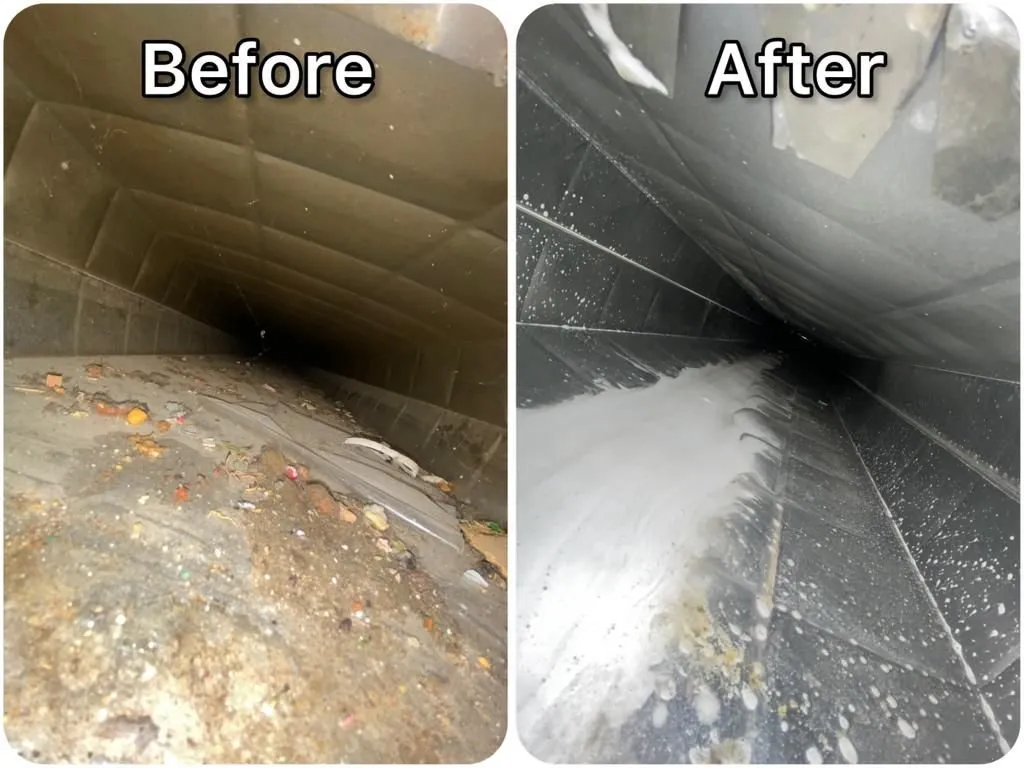
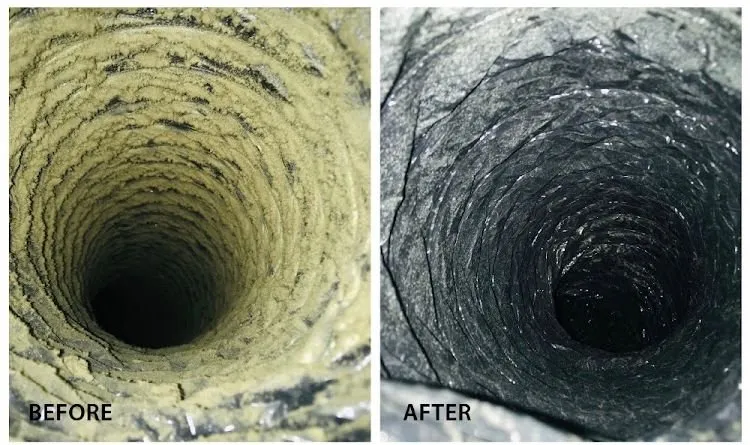
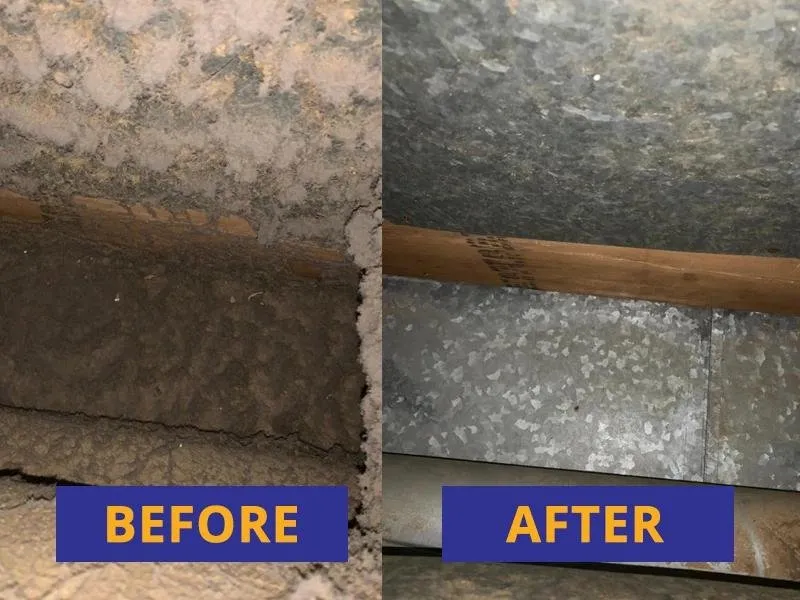
- Dust and debris visibly blowing from supply registers
- Heavy buildup on returns and inside the return duct
- Construction dust after renovations, which are common in older coastal homes
- Pests that got in through a damaged exterior opening
In those cases, air duct cleaning from Apex Air Duct Cleaning Riviera Beach can help remove built-up dust and debris. It's $199 for up to 10 vents, plus $29 for each additional vent. For homes with heavy buildup, deep duct cleaning is $59.99 per vent.
If you notice a musty smell or see what looks like mold, start with an HVAC contractor to check the equipment, and call a mold professional if needed. We don't offer mold remediation or fogging.
Dryer vents near the beach
Beach towels, swimsuits and sandy clothes mean a lot of dryer use in coastal homes. Sand and lint together can build up in the vent, and salt-corroded exterior caps make clogs more likely. Clean the lint filter every load, as the USFA recommends, and have the vent cleaned at least once a year, or sooner if drying times increase.
Dryer vent cleaning is $99 for up to 10 feet, plus $15 per additional foot.
A coastal maintenance routine
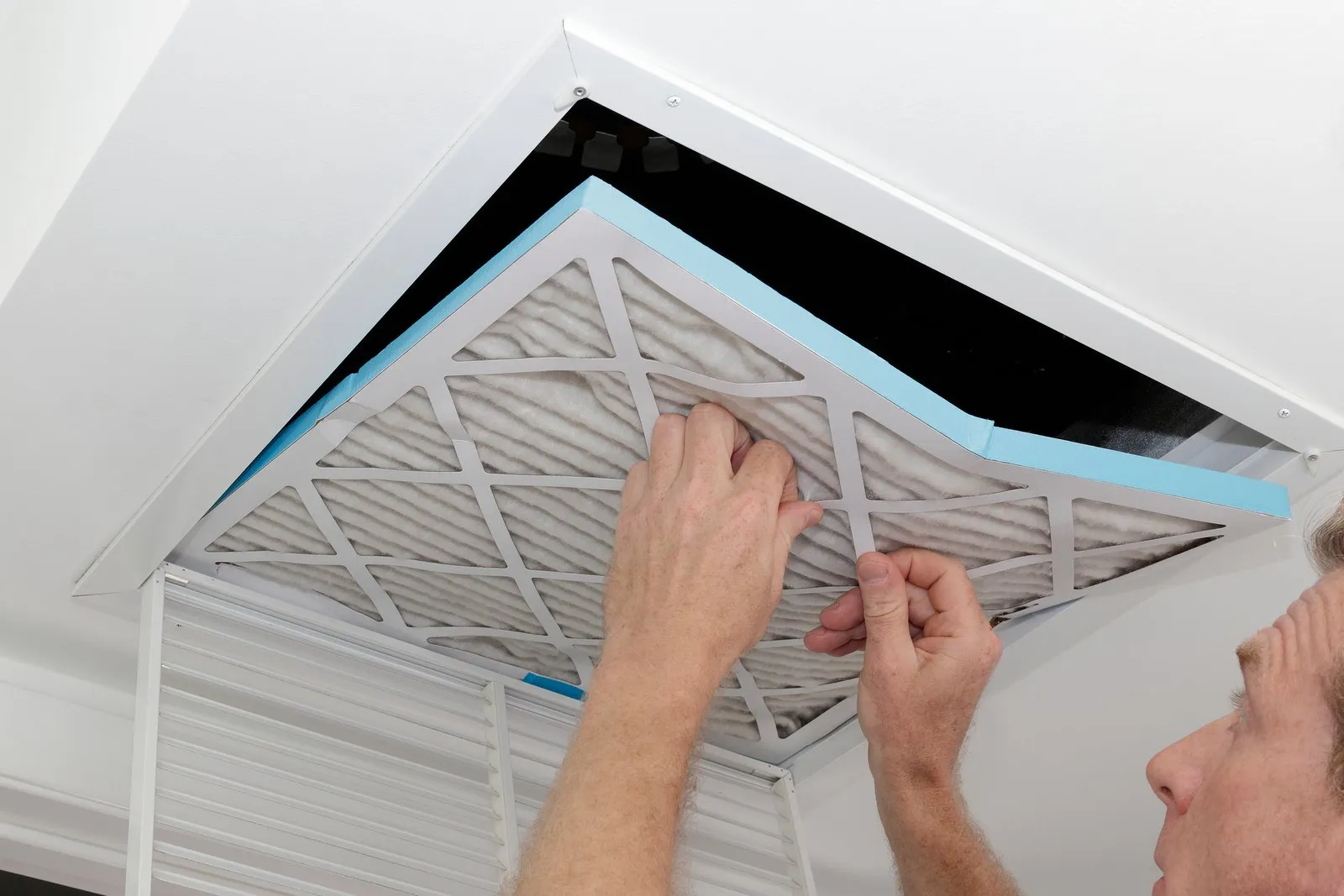
- Monthly: check the HVAC filter and look at exterior vent caps.
- A few times a year: clear leaves and debris from around the outdoor unit and check that dryer and exhaust flaps move freely.
- Yearly: HVAC service and dryer vent cleaning.
- As needed: duct cleaning when you see buildup.
Living near the water around Riviera Beach, FL is worth a little extra maintenance. See our pricing page for every service.