After a Storm or Power Outage: HVAC and Duct Checks
The power is back after a storm. What to check on your AC, ducts and dryer vent before and after you restart, and when to call for help.
When the lights come back on after a storm, the first instinct is to crank the AC and get the house cool again. In South Florida, after hours or days without air conditioning, that's understandable. But a few minutes of checking first can prevent damage to the equipment and help you catch water or debris problems early. This guide covers what to look at, in order, for homes and condos around Riviera Beach.
Before you flip anything back on
Power often returns unevenly after a storm, with flickers and surges along the way. Many HVAC contractors suggest leaving the system off at the thermostat until power has been steady for a while. Then walk through a few checks.
Outside, at the condenser:
- Is the unit level and on its pad, or did wind or water shift it?
- Is there debris against the coil or on top of the fan grille: branches, palm fronds, roofing material?
- Did standing water reach the unit?
- Are any refrigerant lines or wiring visibly damaged?
Clear light debris by hand. If the unit was underwater, tipped over or damaged, leave it off and call an HVAC contractor.
Inside, at the air handler:
- Is there water on the floor of the closet, garage or attic platform where it sits?
- Is the drain pan full or overflowing?
- Do you smell anything burnt?
Again, water or damage means a call to your HVAC contractor before restarting.
Restarting the system
When everything looks dry and intact:
- Check the breakers for the air handler and outdoor unit. Storms and surges can trip them.
- If your thermostat runs on batteries or lost its settings, reset it.
- Turn the system on and listen. Grinding, banging or buzzing are reasons to shut it off and get it checked.
- Feel the supply vents. Cool air should arrive within a few minutes.
- Check the condensate drain outlet after a while. It should start dripping as the system removes moisture.
The humidity problem after an outage
A house that's been closed up without AC in South Florida heats up fast, and humidity climbs with it. Surfaces may feel damp, and you may notice condensation on cool items once the AC starts. The EPA notes that moisture is what allows biological growth, and recommends keeping indoor humidity below 60 percent.
To help your home dry out:
- Keep doors and windows closed once the AC is running.
- Run bathroom and kitchen exhaust fans.
- Use a dehumidifier if you have one.
- Check a hygrometer over the next few days.
If you notice a musty smell that doesn't fade once the house has dried, or see mold on walls, ceilings or vents, call a mold professional. Your HVAC contractor should check the coil and drain pan.
Water in the ducts
Roof damage is common after strong storms, and attic leaks can soak ductwork without any obvious sign from below. Look for:
- Ceiling stains near supply registers or below duct runs
- Water dripping from registers
- Rooms with suddenly weak airflow, which can mean a duct came loose or collapsed
- Sagging ceiling drywall
According to the EPA, insulated ducts that get wet or moldy can't be effectively cleaned and should be removed and replaced. An HVAC contractor can tell you what needs to go. Duct cleaning comes after that work is finished.
Dust and debris after repairs
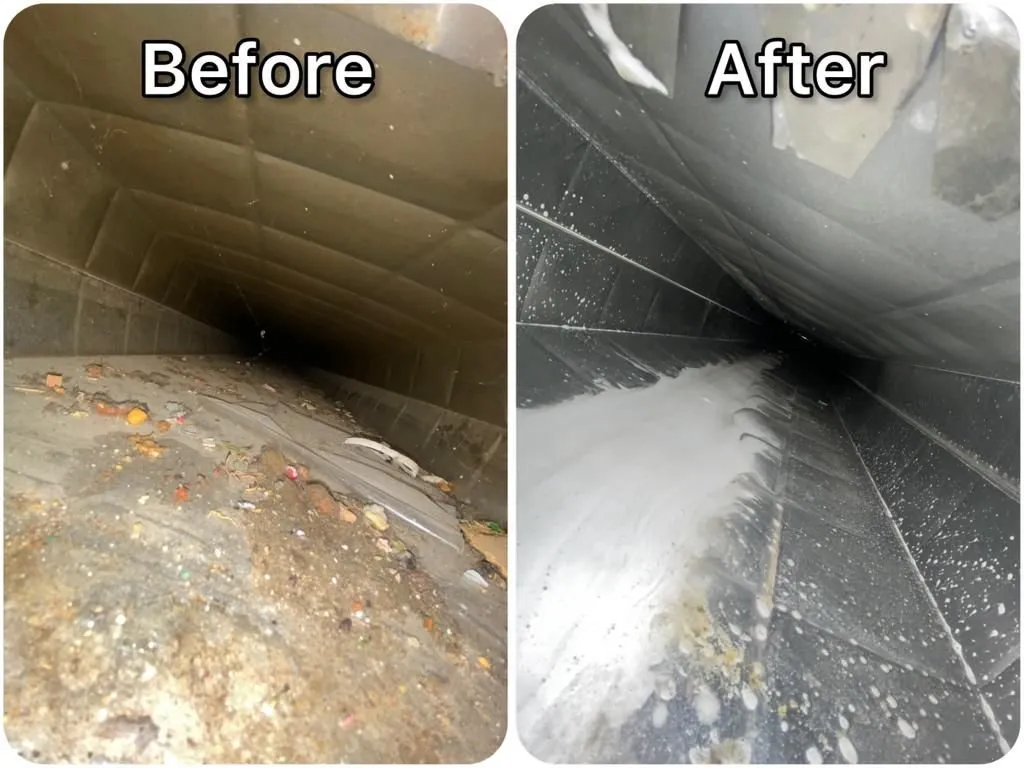
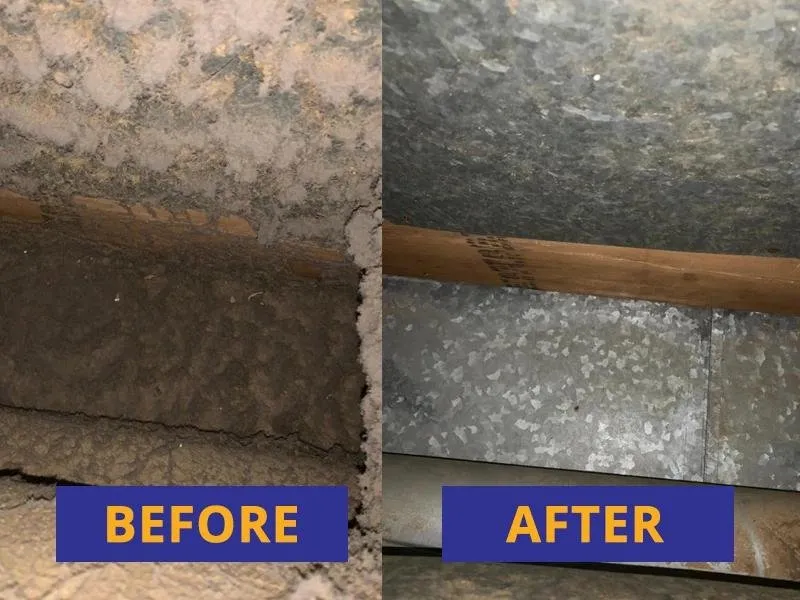
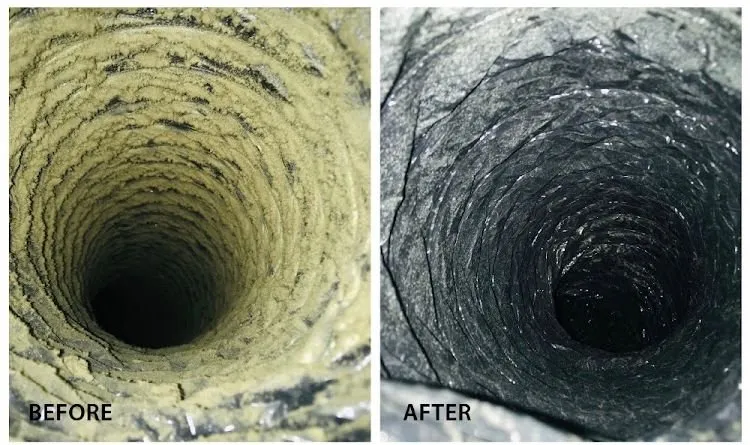
Storm repairs create their own mess. Roof work can shake debris into the attic, and drywall replacement puts fine dust into the air. The EPA suggests sealing off supply and return registers during dusty work and not running the system until the dust is cleaned up. That isn't always possible in summer, so it's common for some of that dust to end up in the ducts.
Once repairs are done, air duct cleaning can help remove it. Apex Air Duct Cleaning Riviera Beach charges $199 for up to 10 vents, plus $29 for each additional vent. We don't repair ducts, service AC equipment or treat mold, but we're glad to help with the cleanup once those are handled.
The dryer vent
Storm winds push leaves, sand and debris into exterior openings. Before doing laundry:
- Check that the outdoor dryer vent flap opens and isn't blocked.
- Clear any debris from the hood.
- If the laundry area took on water, look behind the dryer for a wet or crushed transition duct.
Run a load and confirm air is flowing out. If drying is slow or the dryer runs hot, have the vent checked. Our dryer vent cleaning is $99 for up to 10 feet.
A note on generators
If you ran a portable generator, keep it outside and far from doors, windows and vents, including the dryer and AC intakes. Carbon monoxide from generators is deadly and can enter through openings you might not expect. Make sure your CO alarms work.
After the next storm
Keep this list where you can find it. A careful restart protects your equipment, and catching water early saves money. When you're ready for cleanup in Riviera Beach, FL, our pricing page has every service and price.